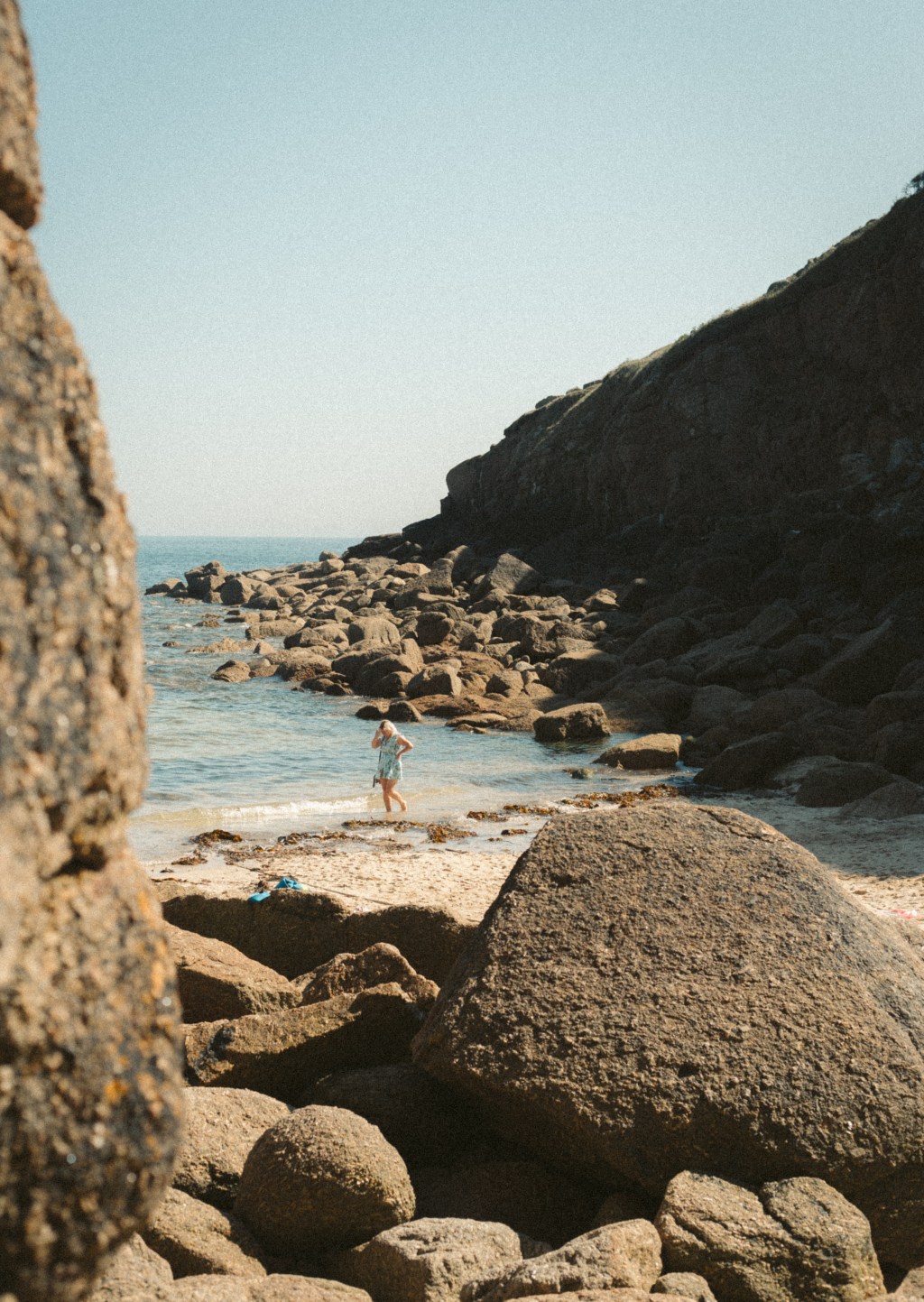
The wild (south) west coast of England, Cornwall is a great destination for natives and visitors alike, but knowing what to expect, when and where to visit is essential.
A peninsula located at the foot of the country, the county of Cornwall is an 1,375 square mile area that was once the home of the former Celtic nation. Cornwall is synonymous with British piracy and smuggling (the Pirates of Penzance) as well as Arthurian legend (including King Arthur’s Castle at Tintagel) and there are many hidden treasures if you know where to look. The area’s rich history, secret coves, quaint villages and stunning coastal landscapes make it a must visit UK destination.
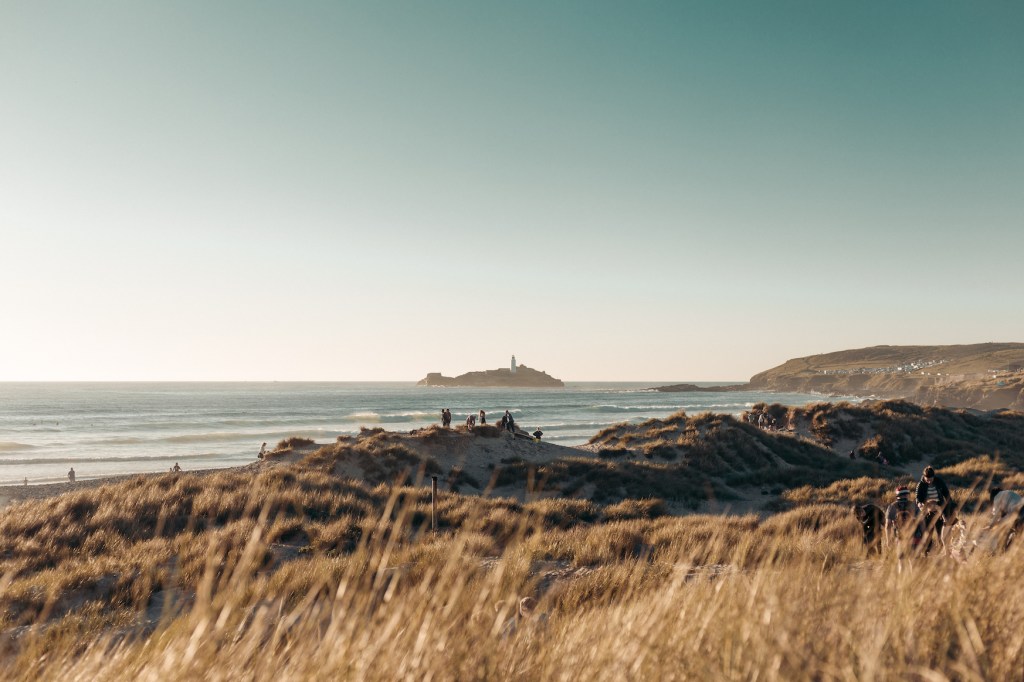
The great thing about Cornwall is how many ‘right’ options there are, whether it be choosing a place to stay or a beach to explore. There are a mix of bustling towns, serene fishing villages and rugged hamlets spread amongst the relative isolation of England’s coastal hinterland.
Be mindful that this means Cornwall is a retreat remote from the nation’s capital, and distant from the capital’s economic and magnetic pull that defines so much of the country’s south (although don’t be mistaken, ‘London money’ still props up a number of its favourite hotels, restaurants and watering holes). So be prepared for a journey to get there.
On its best days, Cornwall’s beaches combine the warm southern sun and cooling Atlantic air, but on it’s worst days the winds and storms lash at it’s coastline, ever-shaping its rocky cliffs (and the thicker skins of year long residents). These elements make it a favourite summer escape for many Brits, seeking anything from surf, seafood, sailing, landscapes, art, solitude or inspiration.
Where to stay
If you’re scouring the internet looking for the ‘perfect’ spot to stay in Cornwall then your research may leave you more confused than ever. Even with a clear idea of the area and experience we wanted, we found ourselves with a longlist of options and no closer to a decision. Any final decision should come down to the amenities you want to be walking (or stumbling) distance from your accommodation and the relative level of quiet you desire.
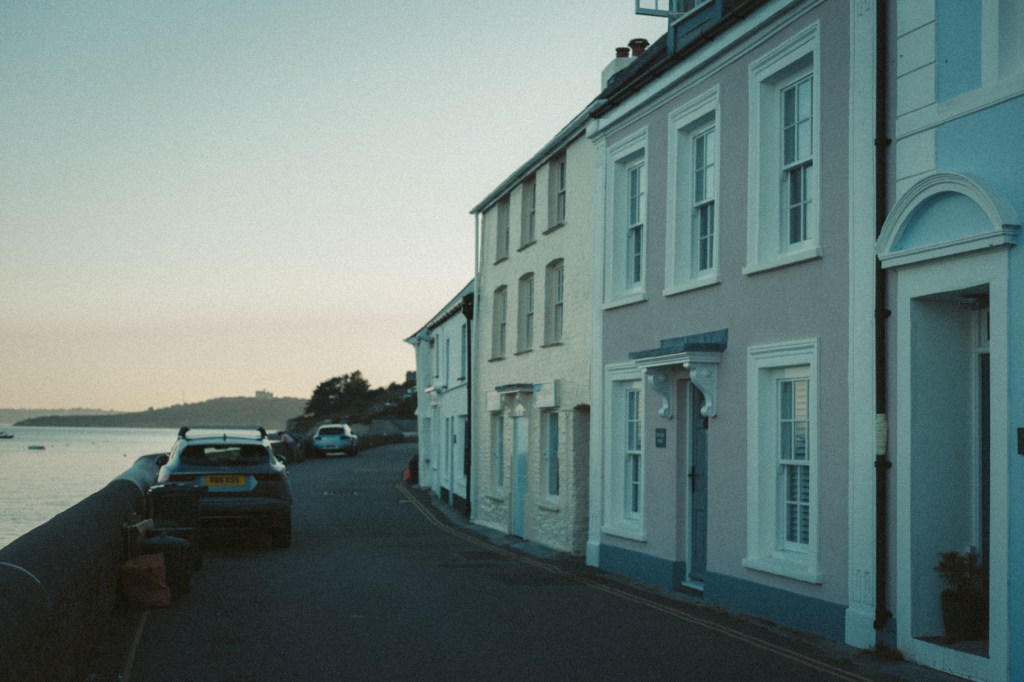
We eventually settled on St Mawes, a small village located on the opposite side of the river estuary to Falmouth, with most houses perched above the waters edge overlooking clusters of small boats bobbing in the Harbour and served by regular ferries back and forth from Falmouth throughout the day. Accommodation options with views across the estuary are easy to find and we’d recommend a stay at Hotel Tresanton or the Idle Rocks on the Harbour.
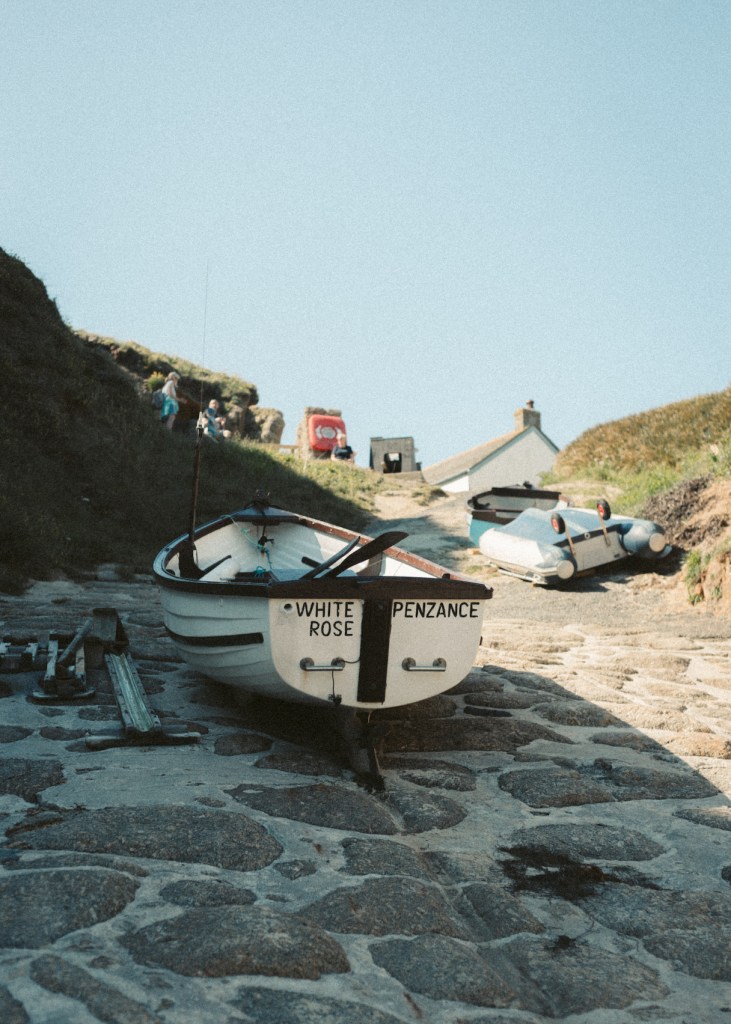
For another fishing village experience you could walk away happy from a stay in Mousehole (pronounced ‘Mau-zul’), Polperro, Looe or Porthcurno. There are also some great spots in more isolated locations along the coast, such as Sennen Cove (near Lands End, take a look at Sheldrake or the Creagle), Zennor, or Lizard, or with a view over the sands at Gwithian or Marazion – more on these locations below. In Cornwall, be prepared for very small fishermens cottages when looking at private rentals.
Alternatively, if you want to be amongst the activity of St Ives then check out ‘Uno’, and be warned that driving within the town is infamously painful – we used the St Erth park and ride/train services to avoid the experience. For an even more unique experience, you can also stay inland at the (former) Bodmin Jail which now operates as a modern Hotel.
What to do in Cornwall
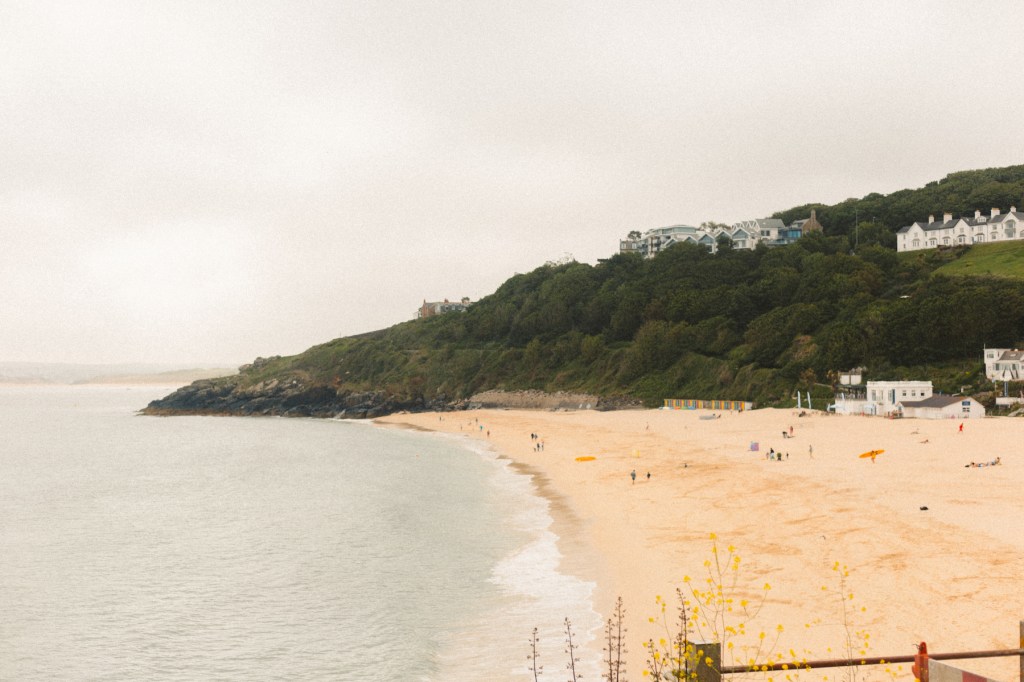
One of our favourite days was spent in St Ives, starting the day for brunch and a coffee taking in the views at the Porthminster Beach Cafe. The Cafe sits on the sandy Porthminster beach with views to the west of the main Harbour area. From there we took a slow stroll into the main town and headed to the St Ives Bookseller to find our holiday reading (All The Lights We Cannot See and Where The Crawdads Sing were our selections – both excellent) and headed on to Porthmeor Beach. The streets through St Ives are worth a wander, with a wide array of sweet and savoury treats available in the towns bakeries and sweet shops. In the afternoon we visited the Barbara Hepworth Museum and Sculpture Gallery before heading to the Tate St Ives gallery for our cultural fix, before heading to one of the local pubs for some more culture/pints of beer.
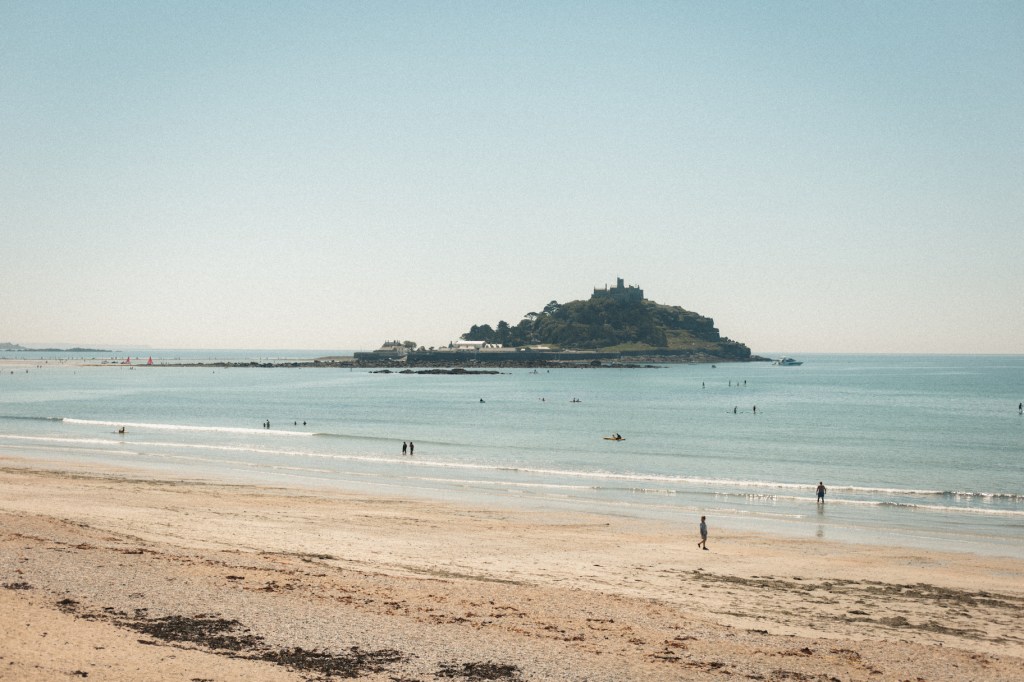
St Michael’s Mount at Marazion, close to Penzance, is well worth a visit. The tidal island is half a mile out to sea but can be reached by foot along a causeway at low tide. The medieval castle, subtropical gardens and church provide plenty of interest and the island also accommodates a small number of houses, cafes and shops. Timing is obviously key if you plan to walk across and back from the island, and boats are only available during summer months – so plan ahead to make sure you have enough time.
You might be tempted to seek out Lands End but we found the area to be fairly uninspiring. If you are desperate to seek out the photo opportunity then try to plan a trip to Sennen Cove or Porthcurno on the same day to make the journey worthwhile. If weather permits, the Minack Theatre at Porthcurno is an extremely unique experience – with plays and performances in an open air theatre facing out across the Atlantic Ocean, best enjoyed at sunset with a cushion brought with you!
The Eden Project has become one of Cornwall’s best known landmarks over the years and provides a unique experience to explore Mediterranean and Rainforest biomes in the two giant geometric greenhouses built within a former quarry pit. The Eden Project are also well-known for hosting major concerts within the grounds (the greenhouses double up as a light show), and tickets also allowing access to the site during the day – so do some research before your visit to see what is on.
Of course, the number one thing you can do in Cornwall is to grab a towel (and a surfboard) and head out to the beach…
Best Beaches in Cornwall
Searching out the coves and beaches of Cornwall is part of the fun of being there. We were looking for hidden gems and quieter spots and Chapel Porth beach near St Agnes and Porthgwarra (see above) were personal favourites and , as was the beach and sand dunes of Gwithian (near St Ives and looking out to the Godrevy Lighthouse). For a similar feel, with dramatic landscapes and clear swimming waters, check out Kynance Cove and Sennen Cove.

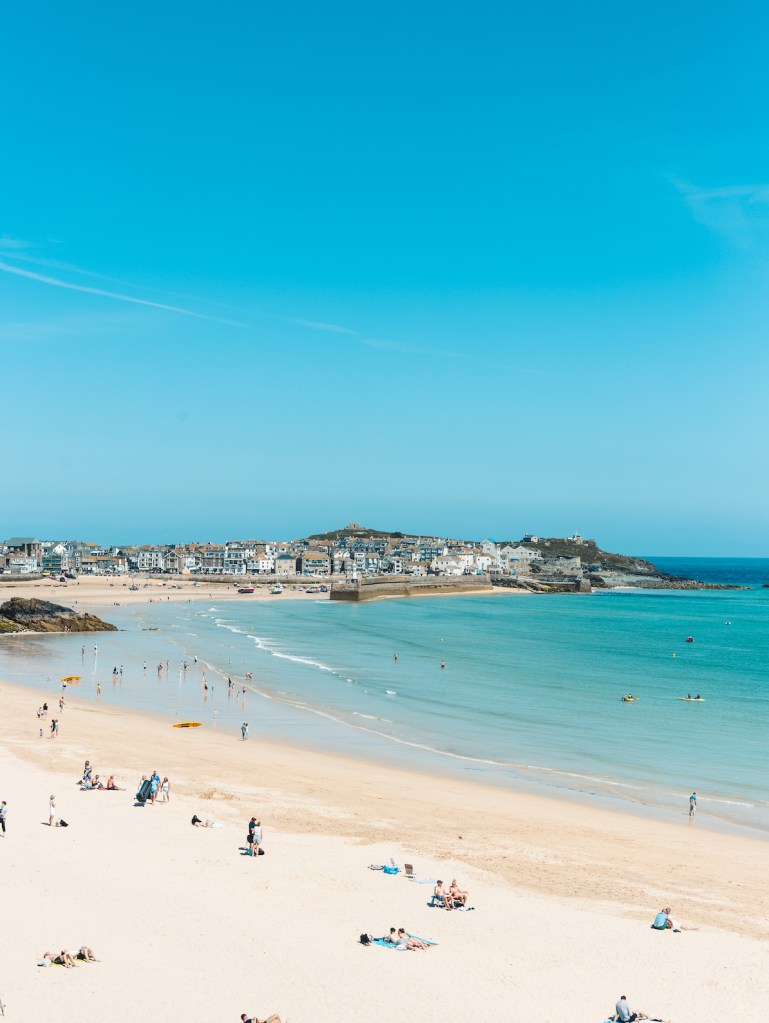
Newquay (Fistral Beach in particular) and Bude didn’t make it into our travel plans but are famous for their waves amongst surfers and offer large sandy beaches that can be enjoyed by everyone. Porthminster Beach in St Ives as well as Porthcurno and Perranporth Beaches are great options for families, all close to the towns themselves. Perranporth in particular has a great series of caves that can be explored on foot at low tide.
Where to eat and drink
Notable eateries for fine dining found across Cornwall include No 6 in Padstow and any of Rick Stein’s restaurants along the north Cornwall coastline, but for the true British food experience head to the Star and Garter Pub in Falmouth for Sunday Dinner, and enjoy the Harbour-side views whilst sipping on a pint (or cocktail).
One of our favourite chefs is based in Cornwall and can now be found at Emily Scott Food within the Watergate Bay hotel. Emily’s dishes are honest and authentically true to Cornwall and its heritage, to the point that she recently showcased to world leaders at the G7 summit. If you don’t manage to make it over to her restaurant then be sure pick up one of her cook books in a local bookshop – they make the perfect souvenir offering stunning photography of the local area and recipes that we go back to time and time again.
Fore Street in Fowey (pronounced ‘Foy’) is a great place to search out a meal, with a number of great options crammed within a small area. Appleton’s and the Dwelling House are both well respected dinner choices, but there are a number of more casual lunch options, including Sam’s for good quality pub-style food.
In St Mawes, we loved our dinner at the Watch House, which offered views across the Harbour, local seafood and excellent service. However, our most magical experience was taking drinks to a quiet spot by the water at sunset, where we had the joy of being entertained by a seal diving in and out of the water in search of shellfish.
On our next visit to St Ives we’ll be sure to visit St Eia wine bar, which has nothing but great reviews (also doubles up as a coffee spot earlier in the day).

 Never Lost